1. Are girls closing the "Gender Gap?"
2. Continue "Codes of Gender"
- Complete Gender Codes T-chart as we watch
- Turn in completed T-chart to eBackpack Assignment #20
HW - work on Final Essay - due NEXT CLASS 1/21
Due 1/20 (Maroon), 1/21 (Gold) - these are the correct due dates, not those listed on the assignment descriptor below.
1. Are girls closing the "Gender Gap?"
2. Continue "Codes of Gender"
- Complete Gender Codes T-chart as we watch
- Turn in completed T-chart to eBackpack Assignment #20
HW - work on Final Essay - due NEXT CLASS 1/20
Due 1/20 (Maroon), 1/21 (Gold) - these are the correct due dates, not those listed on the assignment descriptor below.
1. Leadership and Gender. The Leadership Gap - Statistics (report by The Center for American Progress). How long will it take to close the "wage gap"?
2. Discuss Defining Men and Women
A. Answer the following questions
- What does it mean to be a man?
- All men are/like/think?
- What does it mean to be a woman?
- All women are/like/think
B. Images
- Find 2-3 images that demonstrate ideal masculinity (manhood).
- Find 2-3 images that demonstrate femininity (womanhood).
C. Are the gender characteristics you've
described more a result of nature (biological) or nuture (learned
through socialization)?
3. Traditional Gender Stereotypes
4. Huggies Advertisement
- What does the advertisement suggest about differences between boys and girls?
5. Sex and Gender - A binary? Or spectrum?
6. Gender Terminology
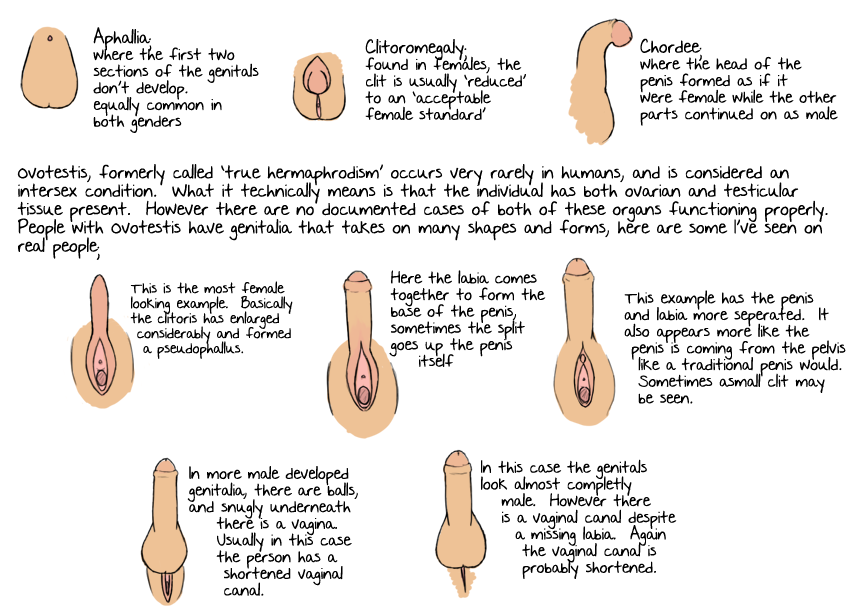
Biological/Anatomical Sex: The physical structure of one’s
reproductive organs that is used to assign sex at birth. Biological sex
is determined by chromosomes (XX for females; XY for males); hormones
(estrogen/progesterone for females, testosterone for males); and
internal and external genitalia (vulva, clitoris, vagina for assigned
females, penis and testicles for assigned males). Given the potential
variation in all of these, biological sex must be seen as a spectrum or
range of possibilities rather than a binary set of two options.
Gender Identity: One’s innermost concept of self as
male or female or both or neither—how individuals perceive themselves
and what they call themselves. One’s gender identity can be the same or
different than the sex assigned at birth. Individuals are conscious of
this between the ages 18 months and 3 years. Most people develop a
gender identity that matches their biological sex. For some, however,
their gender identity is different from their biological or assigned
sex. Some of these individuals choose to socially, hormonally and/or
surgically change their sex to more fully match their gender identity.
Gender Expression: Refers to the ways in which
people externally communicate their gender identity to others through
behavior, clothing, haircut, voice, and other forms of presentation.
Gender expression also works the other way as people assign gender to
others based on their appearance, mannerisms, and other gendered
characteristics. Sometimes, transgender people seek to match their
physical expression with their gender identity, rather than their
birth-assigned sex. Gender expression should not be viewed as an
indication of sexual orientation.
Gender Role: This is the set of roles, activities,
expectations and behaviors assigned to females and males by society. Our
culture recognizes two basic gender roles: Masculine (having the
qualities attributed to males) and feminine (having the qualities
attributed to females). People who step out of their socially assigned
gender roles are sometimes referred to as transgender. Other cultures
have three or more gender roles.
Transgender: Sometimes used as an umbrella to describe anyone
whose identity or behavior falls outside of stereotypical gender norms.
More narrowly defined, it refers to an individual whose gender identity
does not match their assigned birth gender. Being transgender does not
imply any specific sexual orientation (attraction to people of a
specific gender.) Therefore, transgender people may additionally
identify with a variety of other sexual identities as well.
Sexual Orientation: Term that refers to being romantically or
sexually attracted to people of a specific gender. Our sexual
orientation and our gender identity are separate, distinct parts of our
overall identity. Although a child may not yet be aware of their sexual
orientation, they usually have a strong sense of their gender identity.
7. Paige's Story (7:00-17:00)
HW - be ready for "Gender Terms" quiz
1. Leadership Characteristics Activity
- Complete page 1 by yourself
- Are your leadership traits generally considered masculine or feminine?
- Answer the questions below.
A. If, indeed, the qualities we define as “leadership” qualities correspond to the qualities that our society happens to define
as “masculine,” you should discuss how that might impact women in the
workplace.
B. How might that help to explain why women encounter an invisible ceiling (an unconscious or unwitting form of sexism)?
C. How might your
findings from your survey indicate a pattern that leads to the statistics in the
table titled “Income by Educational Level and Sex”?
D. Which statics from #2 below were most surprising to you?
2. The Leadership Gap - Statistics (report by The Center for American Progress). How long will it take to close the "wage gap"?
3. Defining Men and Women - With your group:
A. Answer the following questions
- What does it mean to be a man?
- All men are/like/think?
- What does it mean to be a woman?
- All women are/like/think
B. Images
- Find 2-3 images that demonstrate ideal masculinity (manhood).
- Find 2-3 images that demonstrate femininity (womanhood).
C. Are the gender characteristics you've described more a result of nature (biological) or nuture (learned through socialization)?
HW: Assignment #18
Submit your answers to parts A, B, and C of the "Defining Men and Women" activity (#3 above).