Sub Plans - Students should complete the following individually
1. Beyond the Gender Binary
2. Bucking the Binary - What is Fa'afafine?
3. The Gender Spectrum (terms for quiz)
- Scroll down the the "Gender Terms" section. Write down and study the eight gender terms listed in the section. These terms will be on the gender quiz next class.
- You will NOT be able to use these notes on the quiz.
4. Read - "Night to his Day": The Social Construction of Gender
- What do yo think Lorber means when she says "And everyone 'does gender,'" on page 1 of the article?
- Summarize (take notes on) the main point of the following sections:
- "For Individuals, Gender Means Sameness"
- "For Society, Gender Means Difference"
- "Gender as Process, Stratification, and Structure"
- You will be able to use your notes and article on the quiz.
HW:
- Study for quiz on "Gender Terminology" from the "The Gender Spectrum" website and the "Night to His Day" article that you read in class.
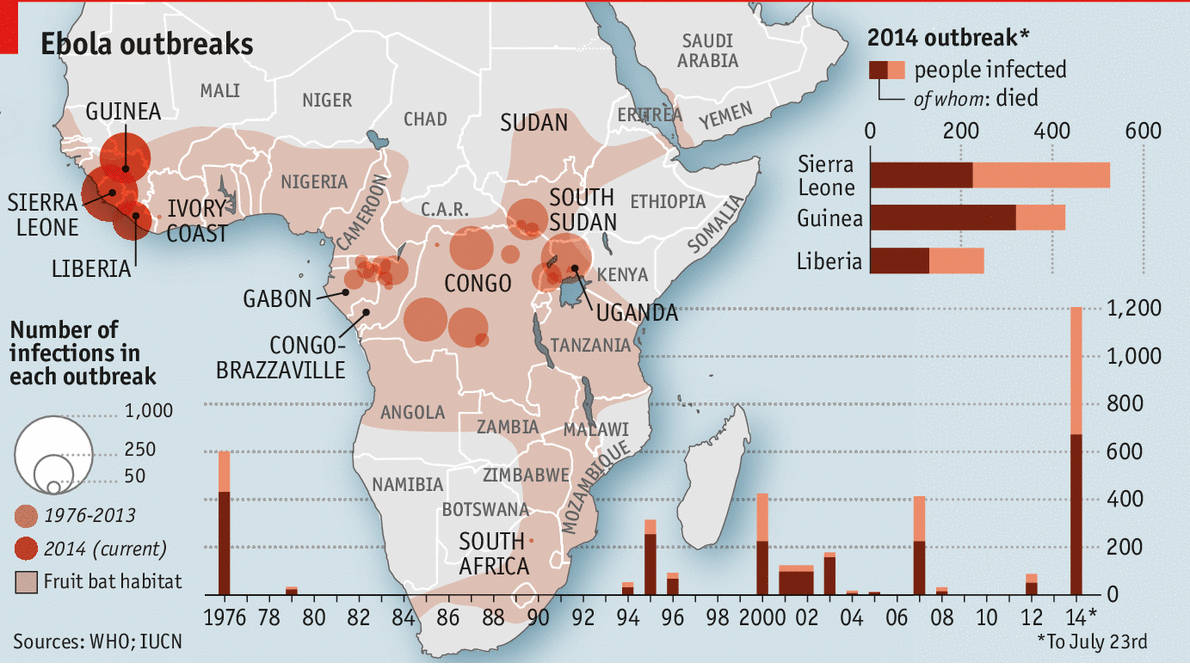
1. Ebola in the US?!? - Don't worry!
1a. Income inequality in America
- Average pay for US worker?
- Average CEO pay (S&P 500 company)?
- How many years would the average worker have to work to equal the average CEO pay?
4. Revisiting Leadership and Gender
5. The Gender Binary (two boxes)
6. The Gender Spectrum
7. Huggies Advertisement
8. Assignment # 7. Kids clothing and toys and the Gender Binary (see eBackpack for all assignment resources)
Toys R' US
Babies R' US
- Take a look through the offering for girls and boys toys or clothes.
- Complete the "Gender Socialization" handout as you investigate.
- After completing the handout answer the following reflection questions and submit through eBackpack "Assignment 7."
1. What kinds of things do you think clothes and toys teach children
about gender? How do they teach them to be a boy or a girl?
2. Based on your findings with respect to clothing and toys,
what does it mean to be a boy or a girl? What kinds of messages do
clothes and toys provide children about what it means to be a boy
or a girl? In other words, what do boys and girls look like, act like,
enjoy doing, and so forth?
3. Are there any ways in which toys and clothing encourage girls and
boys to be similar to each other? Explain.
4.
Gender,
in our society, is a basis for inequality—for assigning people different
roles, rewards, responsibilities, and so forth. Discuss how
children’s toys and clothing can perpetuate (maintain) this form of
inequality.
5. Do you think parents realize what kinds of effects the toys
and clothes they buy for their children can have on them? Will the
findings from this activity influence the toys and clothes you buy for the children in your life?
9. Beyond the Gender Binary
1. Income inequality in America
- Average pay for US worker?
- Average CEO pay (S&P 500 company)?
- How many years would the average worker have to work to equal the average CEO pay?
4. Revisiting Leadership and Gender
5. The Gender Binary (two boxes)
6. The Gender Spectrum
7. Huggies Advertisement
8. Assignment # 7. Kids clothing and toys and the Gender Binary (see eBackpack for all assignment resources)
Toys R' US
Babies R' US
- Take a look through the offering for girls and boys toys or clothes.
- Complete the "Gender Socialization" handout as you investigate.
- After completing the handout answer the following reflection questions and submit through eBackpack "Assignment 7."
1. What kinds of things do you think clothes and toys teach children
about gender? How do they teach them to be a boy or a girl?
2. Based on your findings with respect to clothing and toys,
what does it mean to be a boy or a girl? What kinds of messages do
clothes and toys provide children about what it means to be a boy
or a girl? In other words, what do boys and girls look like, act like,
enjoy doing, and so forth?
3. Are there any ways in which toys and clothing encourage girls and
boys to be similar to each other? Explain.
4. Gender,
in our society, is a basis for inequality—for assigning people different roles, rewards, responsibilities, and so forth. Discuss how
children’s toys and clothing can perpetuate (maintain) this form of
inequality.
5. Do you think parents realize what kinds of effects the toys
and clothes they buy for their children can have on them? Will the
findings from this activity influence the toys and clothes you buy for the children in your life?
9. Beyond the Gender Binary